

Living Learning Garden
Overview
The Living Learning Garden at CCA was created to recognize and preserve native plants present for the past 8,000 years on the land that we currently occupy, many of which represent vital resources for survival to local tribal communities.
During CCA's campus expansion, AECOM was retained to provide archaeological consulting services on the Double Ground site, excavating over 80 Geoprobe bores for analysis, 33 of which ultimately contained evidence of indigenous occupation at the site. These bores contained incredibly rich flora and fauna remnants that formed the basis of this garden.
Plant varieties identified in the archeological deposit
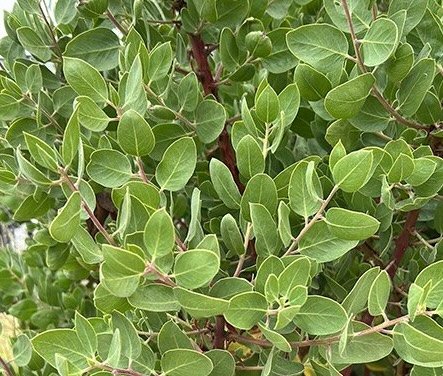
The Living Learning Garden will include as many of the plants found in the archeological sample as possible, with other local, California native plants included as well. These include:
- Wild Cucumber (Marah fabacea)
- California Bedstraw (Galium californicum)
- Toyon (Heteromeles arbutifolia)
- Common Manzanita (Arctostaphylos manzanita)
- Franciscan Manzanita (Arctostaphylos Franciscan)
- A rare native shrub. It is presumed to be native only to the immediate vicinity of San Francisco Bay and was presumed extinct for many years.
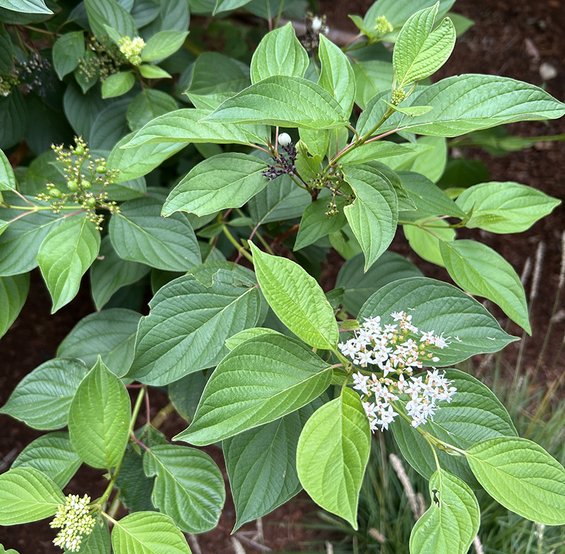
- Creek Dogwood (Cornus sericea ssp. Sericea)
- Pacific Dogwood (Cornus nuttalli)
- Farewell to Spring (Clarkia amoena)Baby Blue Eyes (Nemophilia menziesii)
- Tufted Hair-grass (Deschampsia cespitosa)
- California Buckwheat (Erigonum fasciculatum)
Archaeological Botanical Findings
The archaeological findings from CA-SFR-220 provide critical insight into the paleo-environment and subsistence strategies of the site's inhabitants.
- Higher-than-expected Density: While plant remains are often sparse in such deposits, the charred plant remains recovered at CA-SFR-220 were remarkably dense relative to the small sediment volume recovered, indicating that plant processing was a consistent activity at the site, albeit supplemental to marine resource processing which was the main activity.
- Unique Fuel Source Patterns: The charcoal assemblage is distinct, showing a heavy reliance on shrub-based fuels—Toyon (30%), Manzanita (22.8%), and Dogwood (17.1%)—which is unique among studied central California Native American archaeological sites. Likely indicative of the absence of larger tree species on this portion of the San Francisco Peninsula at that time.
- Seasonality and Storage: Evidence indicates site occupation primarily during the spring and summer seasons, supported by the prevalence of spring- and summer-ripening small seeds and Brodiaea corms.
- Technological Use of Wild Cucumber: The high concentration of Marah fabacea (Wild Cucumber) seed remains suggests use beyond simple consumption, such as medicinal application or utilization as a fish poison within aquatic weirs or pools.
- Habitat Adaptation: The site inhabitants adapted to a "plant-poor" local habitat by prioritizing predictable aquatic resources, such as shellfish and nearshore fish, supplemented by small seeds and roots, rather than reliance on scarce nut-bearing trees.
Integrated Curriculum
Digging in the World: Garden and Form and Tool
In Spring 2026, Gail Williams' Critical Ethnic Studies Studio Digging in the World began the background research and creation of the garden. The class focused on researching native plants and preparing the soil for the Living Learning Garden through land-based practices rooted in Indigenous knowledge and ecological stewardship. Students engaged in site visits, built relationships with local stewards, and co-developed elements of the garden alongside ARO guidance. Dr. Cordero visited the course as a guest speaker, helping students contextualize their work within the broader vision of rematriation and ancestral connection.
Groundwork at the Crossroads: Land, Memory, Creative and Collective Practice
In Summer 2026, Gail Williams' Critical Ethnic Studies Studio Groundwork at the Crossroads continued the project. Students worked on garden installation, design, and site stewardship, while engaging in critical dialogue around settler colonialism, ecology, cultural survival, and creative resistance.